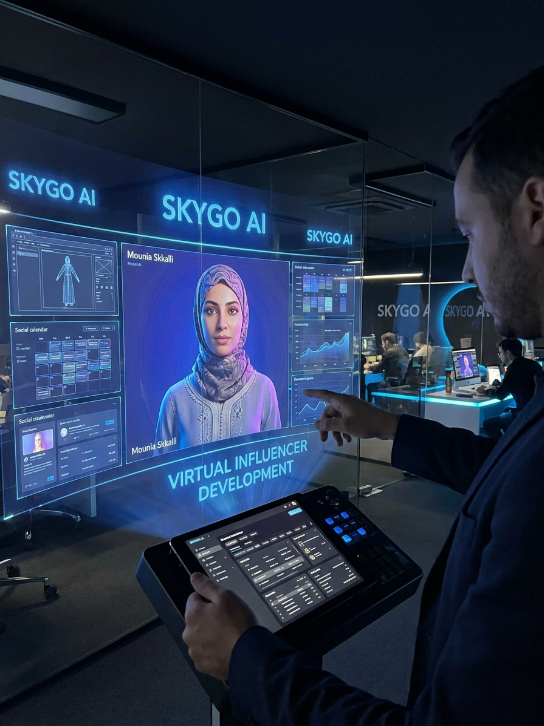
The digital marketing landscape has shifted. Brands are increasingly frustrated by unpredictable human influencer rates, complex logistics, scheduling conflicts, and constant PR liabilities. The solution dominating 2026? Owning your digital talent.
Table of Contents
Creating a custom AI avatar isn’t just about generating a realistic face; it is about engineering a highly scalable, fully controllable content system. Whether you are producing localized social media content or high-end AI commercials, here is the exact blueprint for building a high-fidelity virtual influencer that actually drives commercial results.
1. Defining the Persona: Cultural and Regional Localization
A generic, template-based AI face will not convert. Before touching a single generation tool, you must lock in the avatar’s geographic, cultural, and aesthetic identity. An avatar targeting the Moroccan market requires a vastly different wardrobe, background setting, and colloquial voice than a persona built for Spain or the UAE.
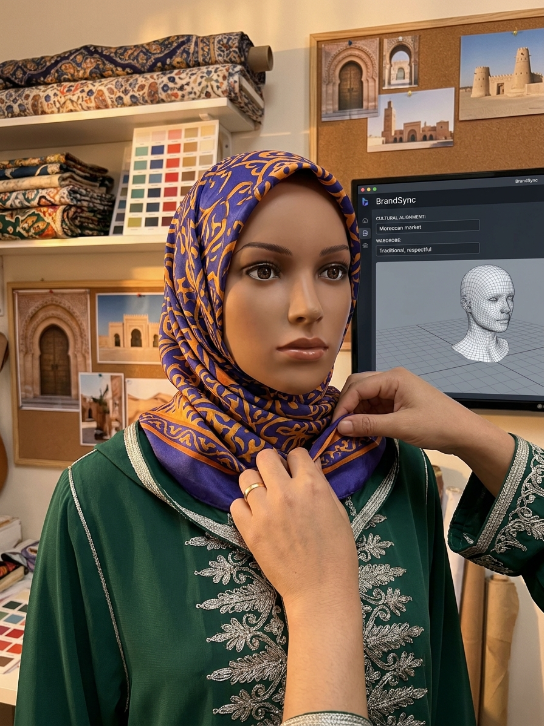
- Cultural Nuance: You must strictly dictate cultural alignment in your generation workflows. For example, if you are targeting markets in North Africa or the Middle East, explicitly prompt your models for respectful, locally appropriate clothing to ensure the avatar resonates authentically with the regional demographic.
- Aesthetic Consistency: The illusion breaks if the avatar changes between posts. Lock down specific, unchangeable physical traits in a master prompt. If the character’s eye color is brown, it must be rigidly enforced as brown in every single render—never let the AI model randomly switch it to green or blue.
2. Visual Generation: Achieving Commercial-Grade Realism
Corporate brands require cinematic, high-fidelity realism. Cartoonish or obviously synthetic avatars damage brand trust.
- The Foundation: Use state-of-the-art image models like Nano Banana Pro to establish the base character design. This tier of model excels at photorealistic skin textures, dramatic lighting, and seamlessly integrating physical brand products into the avatar’s hands for product shoots.
- Nailing the UGC Aesthetic: When creating content designed for Instagram Reels or TikTok, brands need organic-looking “User Generated Content.” When generating this, you must explicitly prompt the AI for a true first-person perspective selfie. If you simply prompt for a “selfie,” many models will mistakenly generate an external, third-person view of a character holding a phone, which instantly ruins the organic feel of the post.
3. Motion and Audio: Producing the AI Commercial
Static images are just the starting point. The real ROI of a virtual influencer is unlocked when you bring the avatar to life for scalable AI commercials.
- Cinematic Video Hooks: Take your high-fidelity base images and animate them using advanced image-to-video models like Veo or Kling AI. In 2026, these engines are the industry standard for generating fluid, realistic motion, maintaining facial consistency, and syncing ambient sound—perfect for high-end B2B ad production.
- Voice & Lip Sync: Pair the video output with a localized AI voice model. The voice must perfectly match the regional dialect established in step one. A flawless visual avatar will fail immediately if the voiceover uses the wrong regional accent.
4. Deployment: The “Shadow Marketing” Strategy
Once your avatar is built, how do you deploy it to secure major corporate partnerships? The most effective strategy is “Shadow Marketing.”
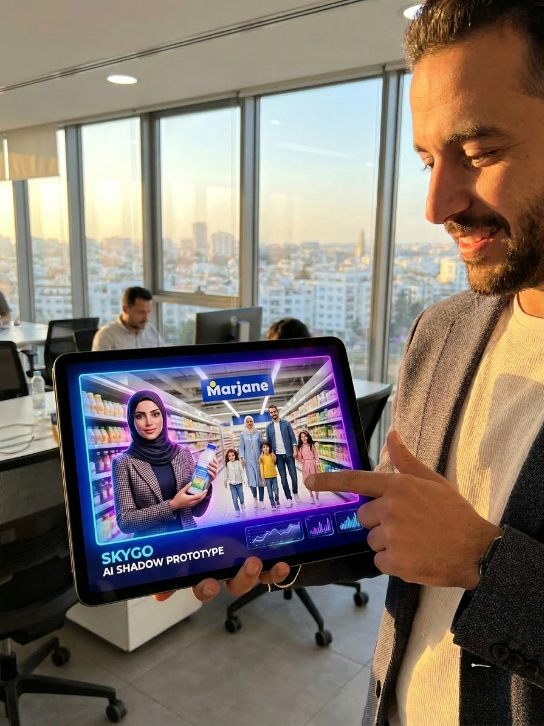
Instead of sending traditional pitch decks to retail chains or major holding companies, proactively generate a 15-second, high-fidelity commercial featuring your AI avatar interacting with the target brand’s specific products. You pitch the finished, localized prototype rather than the concept. When a marketing director sees a hyper-realistic virtual influencer already seamlessly integrated with their branding, the conversation shifts immediately from “What is this?” to “How fast can we scale this?”
The Competitive Edge
Building an AI avatar for a brand is about merging technical prompting with deep market awareness. By controlling the aesthetic, ensuring strict cultural alignment, and utilizing a professional stack of video and image models, you transform AI from a novelty into an appreciating, highly profitable digital asset.